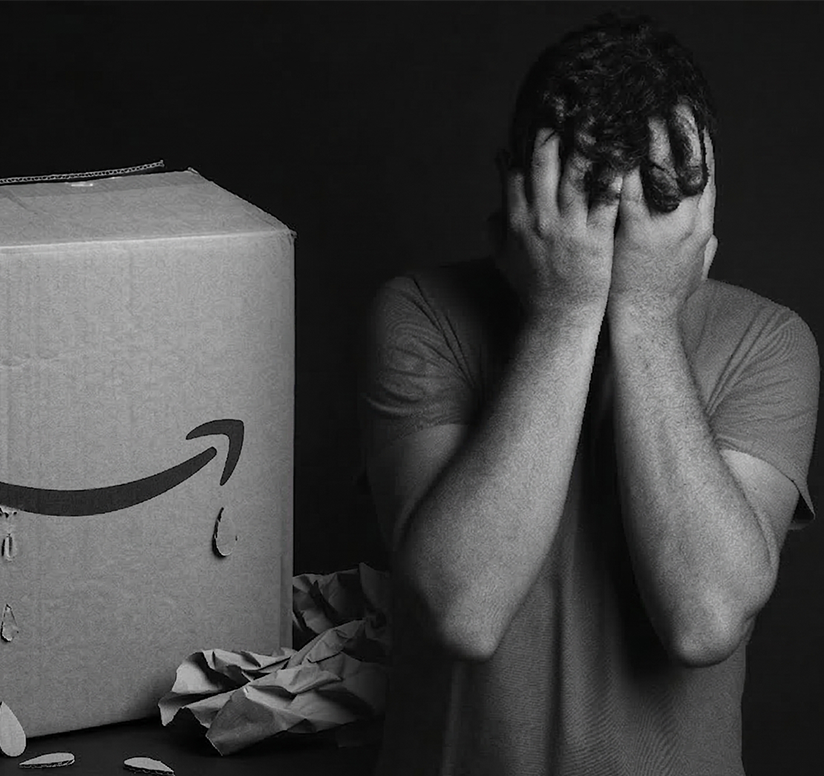
Amazon sellers just received another reminder of an uncomfortable reality: the platform keeps getting more expensive to operate on.
Amazon recently updated its Fulfillment by Amazon (FBA) fee structure for 2026, introducing modest increases across several fulfillment tiers. While some of these increases may seem small on paper, experienced sellers know the truth:
Tiny fee changes compound quickly when you're shipping thousands or millions of units.
For many brands, failing to adjust strategy could mean quietly losing tens or even hundreds of thousands of dollars in margin this year.
Here’s what changed and what sellers should do about it.
What Actually Changed With FBA Fees
Amazon’s 2026 fee update includes:
• Slight increases to U.S. fulfillment fees across multiple size tiers
• Adjustments based on product weight and dimensional tiers
• Continued pressure toward smaller, lighter packaging
For many standard-size products, the increase is roughly $0.08 per unit.
That might sound trivial. But for a brand selling 200,000 units annually, that’s:
$16,000 in additional cost from one small fee change.
Multiply that across multiple ASINs and the impact grows quickly.
And this is just one of many cost pressures sellers face.
The Real Problem: Death by a Thousand Cuts
The real margin erosion isn’t coming from one fee.
It’s coming from the stacking effect of multiple platform costs:
• FBA fulfillment fees
• Storage fees
• Advertising costs rising year over year
• Returns and refunds
• Inbound placement fees
• Inventory reimbursement changes
For many brands, Amazon is now the most expensive sales channel they operate on, even though it remains the largest.
The brands that win in 2026 will not simply accept the margin compression.
They will adapt.
What Smart Sellers Are Doing Right Now
1. Redesigning Packaging to Drop Into Lower Fee Tiers
One of the biggest margin unlocks on Amazon is packaging optimization.
Even tiny changes can drop products into lower fee tiers.
Examples include:
• Reducing box dimensions by 0.25–0.5 inches
• Switching from rigid packaging to poly bags
• Removing excess inserts or packaging materials
• Reengineering products to weigh slightly less
We regularly see brands save $0.30–$1.50 per unit just by redesigning packaging.
For high-volume products, that’s enormous.
2. Raising Prices Strategically
Many brands hesitate to increase prices.
But the reality is simple:
Amazon shoppers are less price sensitive than most sellers think.
If your product has:
• Strong reviews
• A differentiated listing
• A premium brand perception
You often have pricing power you are not using.
Even a $1 price increase can offset multiple years of fee increases.
3. Improving Conversion Rates
Another powerful lever is conversion rate optimization.
If your listing converts better, you can:
• Spend less on ads
• Rank higher organically
• Offset rising costs
Common improvements include:
• Rebuilding product imagery
• Better comparison charts
• Stronger product storytelling
• Video content
• Clear differentiation vs competitors
A listing that improves conversion from 12% to 18% can completely change profitability.
4. Reducing Advertising Waste
Amazon ad costs continue to rise, and many brands waste significant spend on poorly structured campaigns.
Margin-focused sellers are:
• Eliminating low-performing keywords
• Tightening campaign structure
• Improving organic ranking to reduce paid dependence
• Leveraging creative that increases click-through rate
Better ad efficiency directly protects margins.
5. Expanding Beyond Amazon
One of the most important strategic shifts happening right now is channel diversification.
Many brands are expanding into:
• Walmart Marketplace
• TikTok Shop
• Shopify / DTC
• Target Plus
• Retail distribution
The goal is simple:
Reduce dependency on Amazon’s fee structure.
Amazon will likely remain the dominant marketplace, but brands that rely on it exclusively are the most vulnerable to cost increases.
The Brands That Win on Amazon Think Like Operators
The biggest mistake sellers make is treating Amazon like a passive sales channel.
It isn’t.
Amazon is an operational battlefield where margins are won or lost through constant optimization.
Winning brands obsess over:
• Packaging engineering
• Pricing strategy
• Listing performance
• Ad efficiency
• Supply chain optimization
They view every fee increase as a signal to become more efficient, not a reason to panic.
The Bottom Line
Amazon’s 2026 fee update may seem small, but it reinforces a larger trend:
Selling on Amazon will continue getting more competitive and more expensive.
The sellers who succeed will be the ones who actively protect their margins through smarter operations and smarter strategy.
The good news?
Most sellers aren’t doing this yet.
Which means the brands that adapt now will create a massive competitive advantage in the years ahead.